

“The biggest risk wasn’t the new equipment. It was whether the plan could even work.”
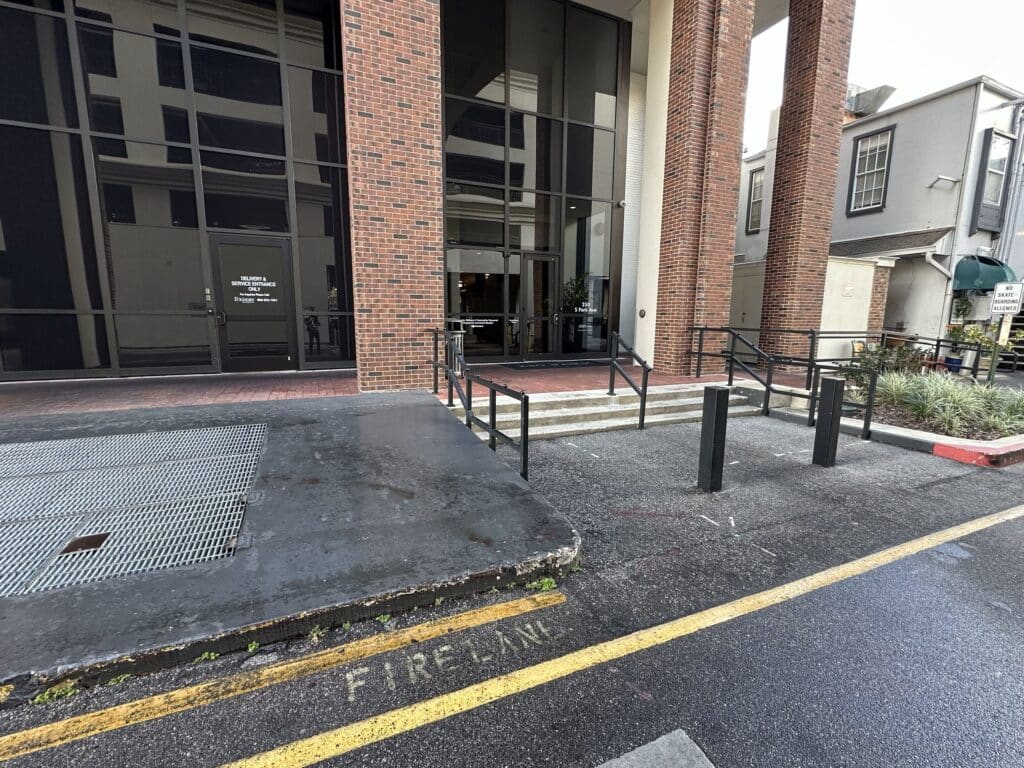
The existing electrical system had reached the point where failures were no longer hypothetical, but expected. Downtime carried real consequences for tenants operating on tight margins and strict operating windows. At the same time, code constraints around life safety systems meant the existing electrical room configuration could not remain as-is. The biggest unknown was feasibility: whether the building’s main feeds could be intercepted and rerouted in a way that made a relocation possible at all. All of this had to happen while the building stayed live, compliant, and fully occupied.

“The solution wasn’t just what we installed. It was how we installed it.”
The Electricity Concierge developed a phased strategy to relocate and modernize the building’s main distribution system while keeping power available throughout the process. The solution focused on rebuilding the system from the inside out, starting with planning and verification, followed by precise execution and disciplined commissioning. Rather than relying on a single shutdown window, the work was compartmentalized and sequenced to reduce risk. New infrastructure, new pathways, and new monitoring capabilities were introduced with long-term performance in mind. The approach prioritized control, predictability, and accountability at every step.

“Design is where risk gets exposed before it becomes a problem.”
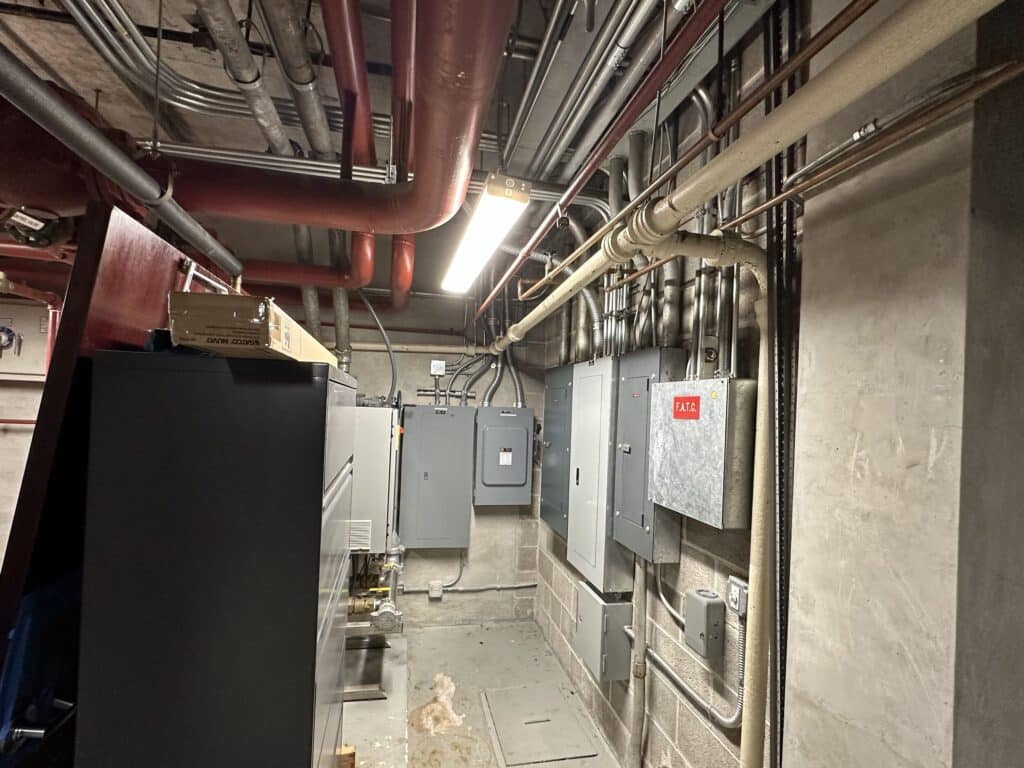
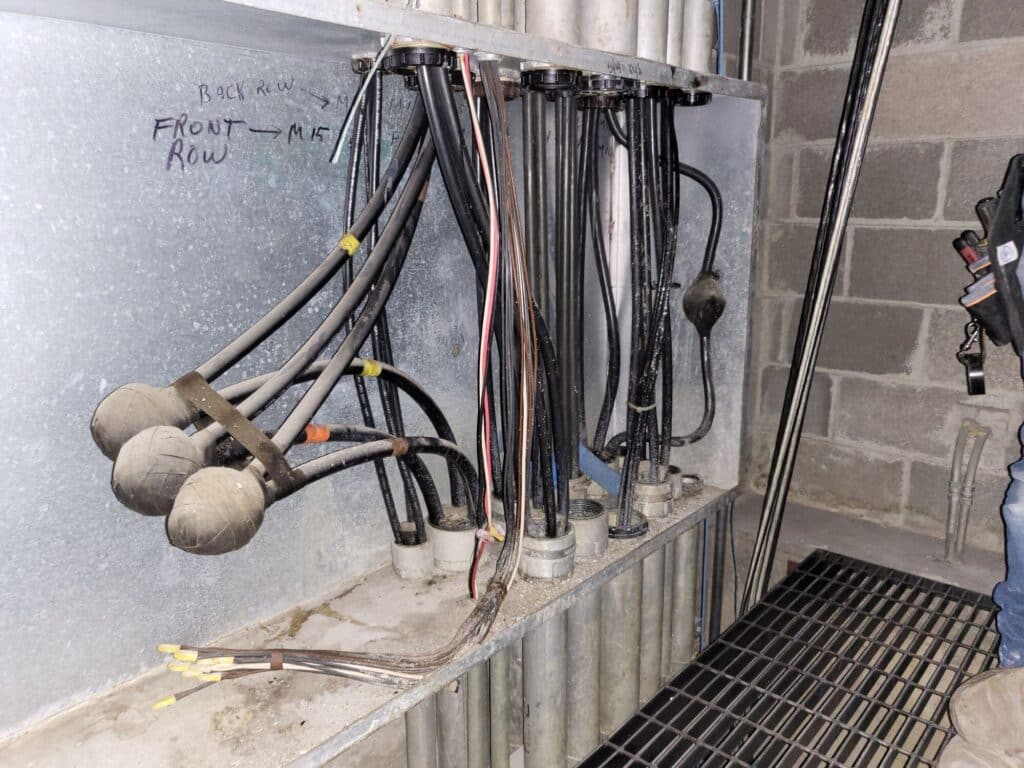
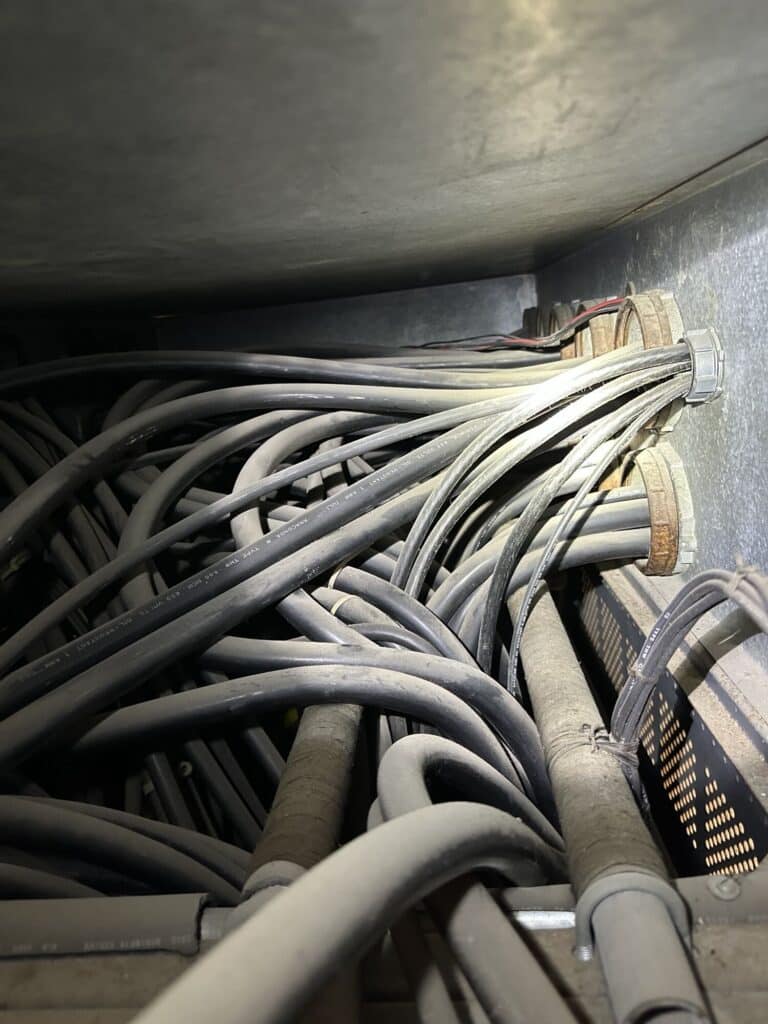
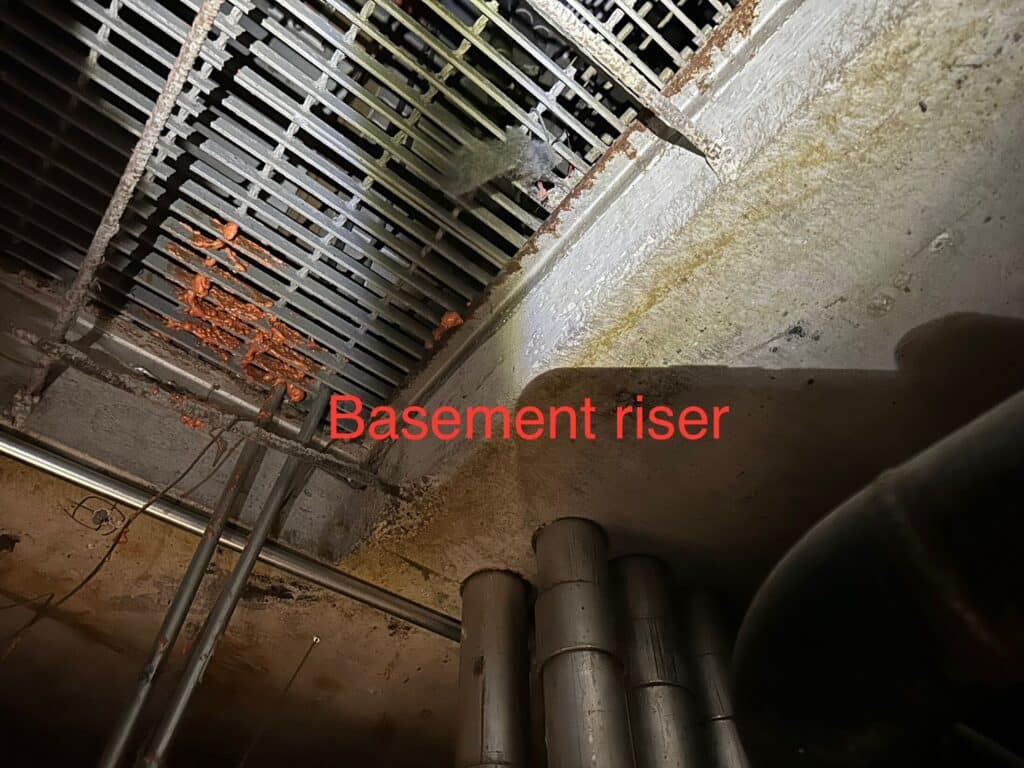
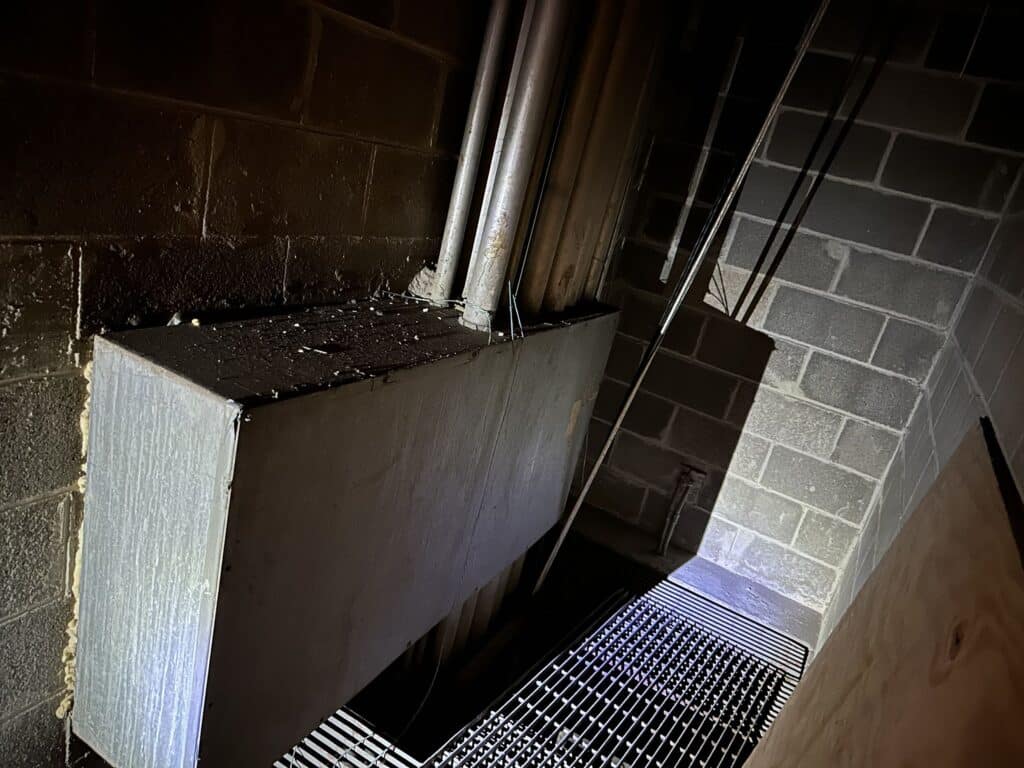
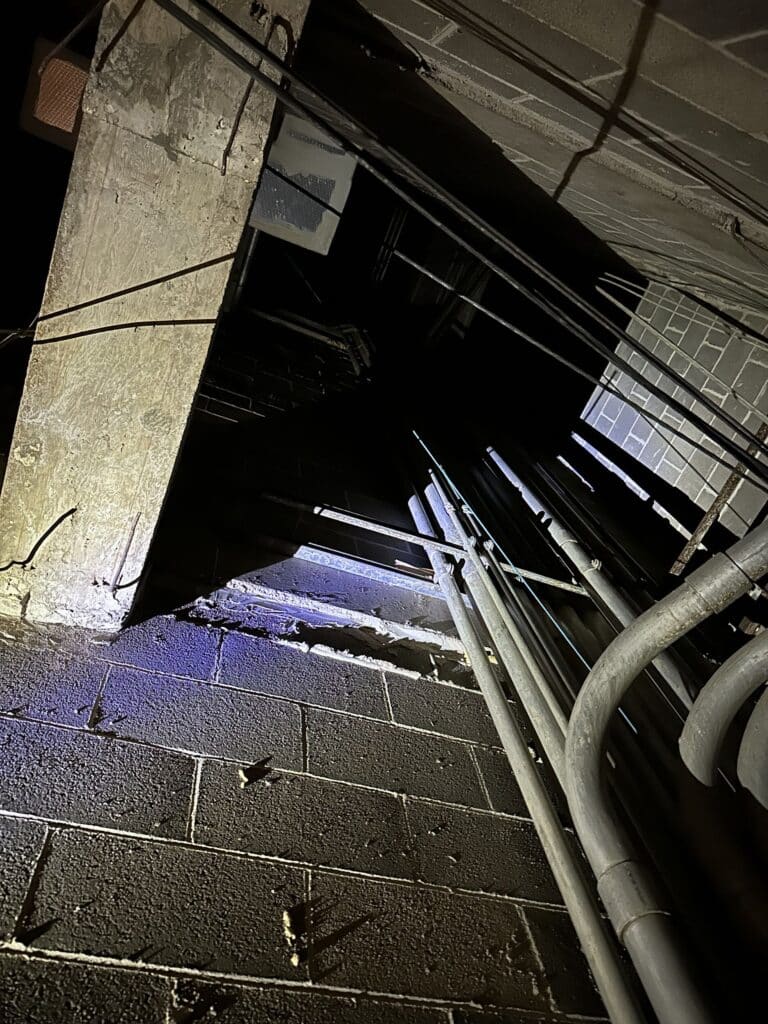
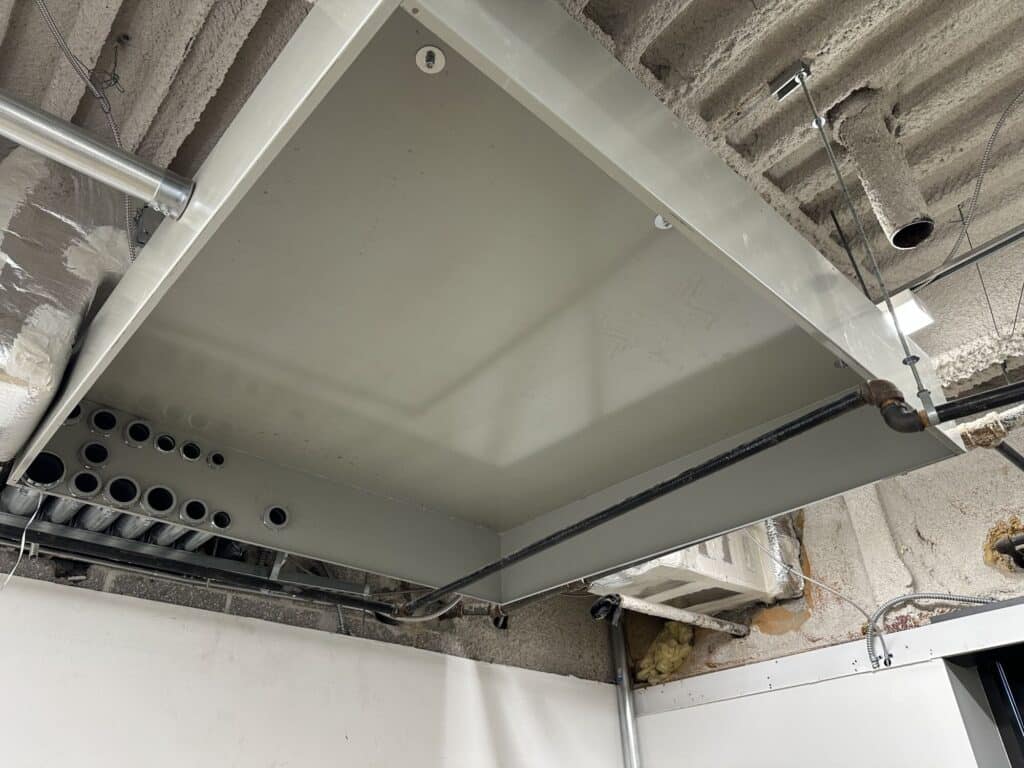
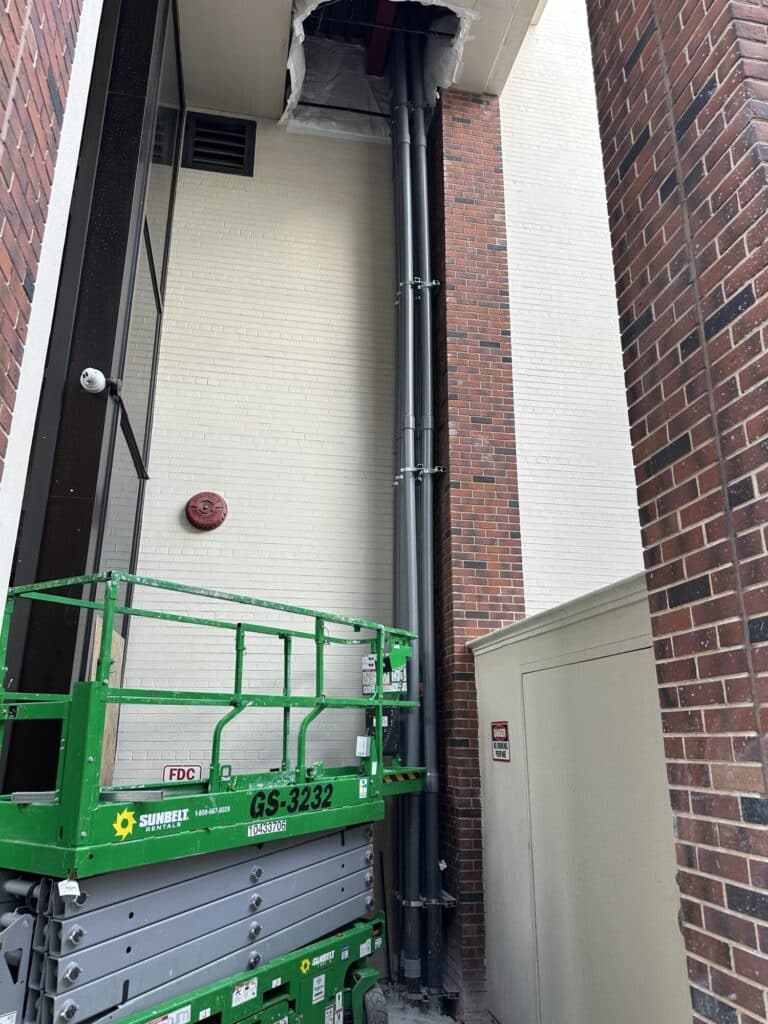
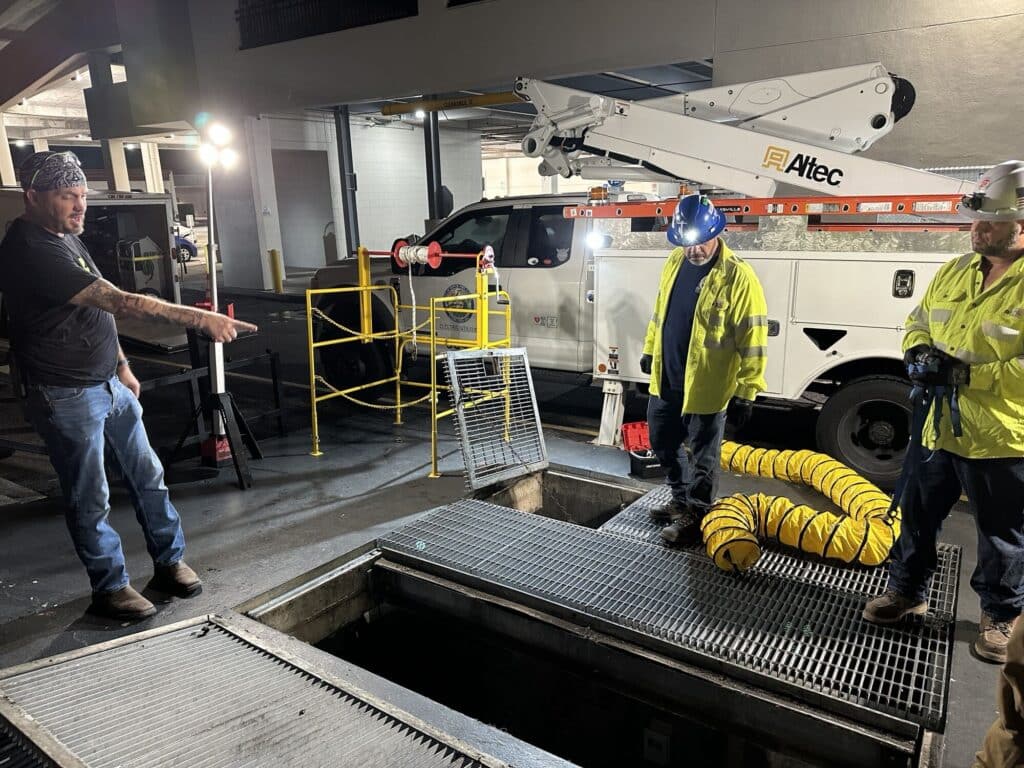
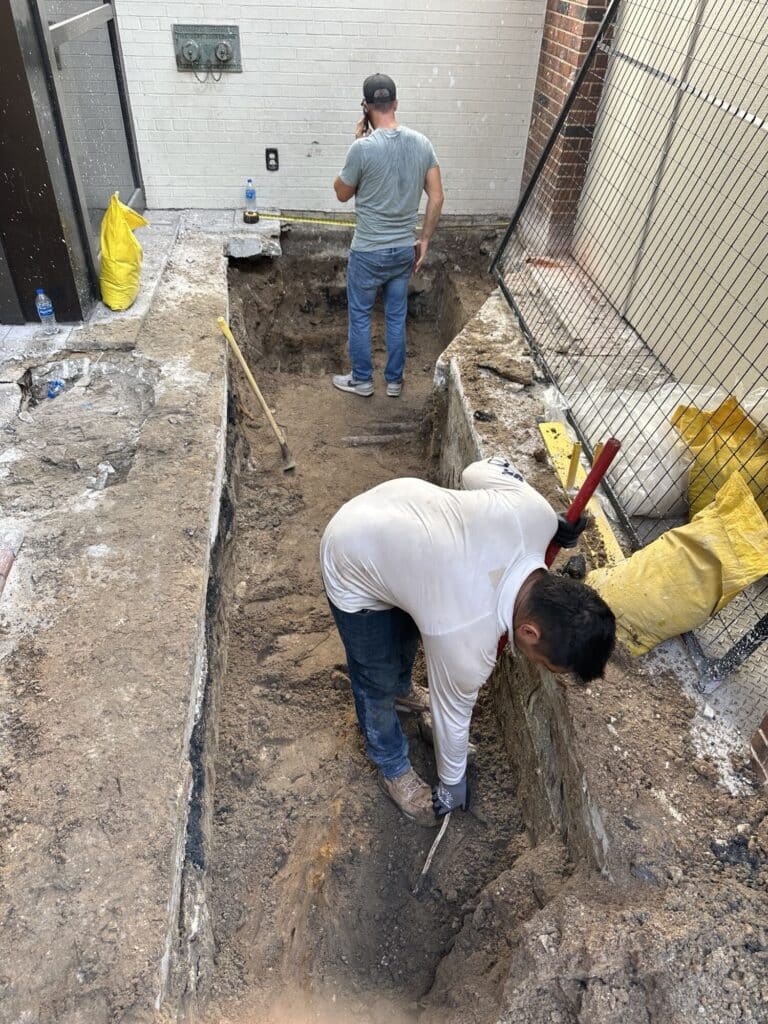
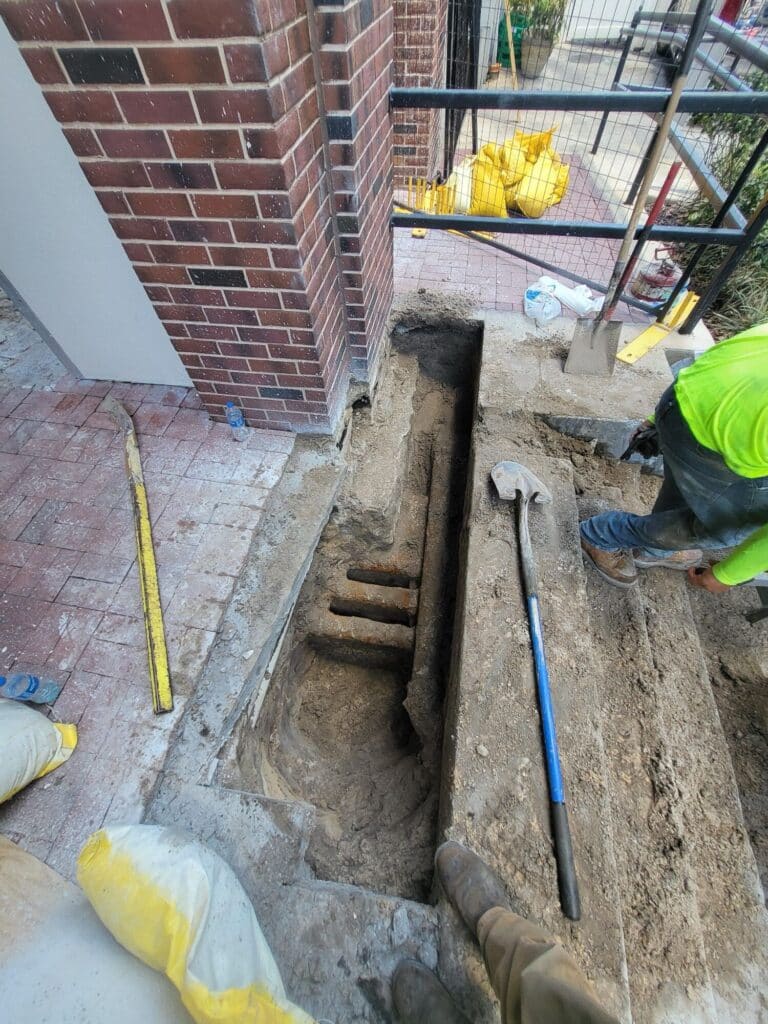
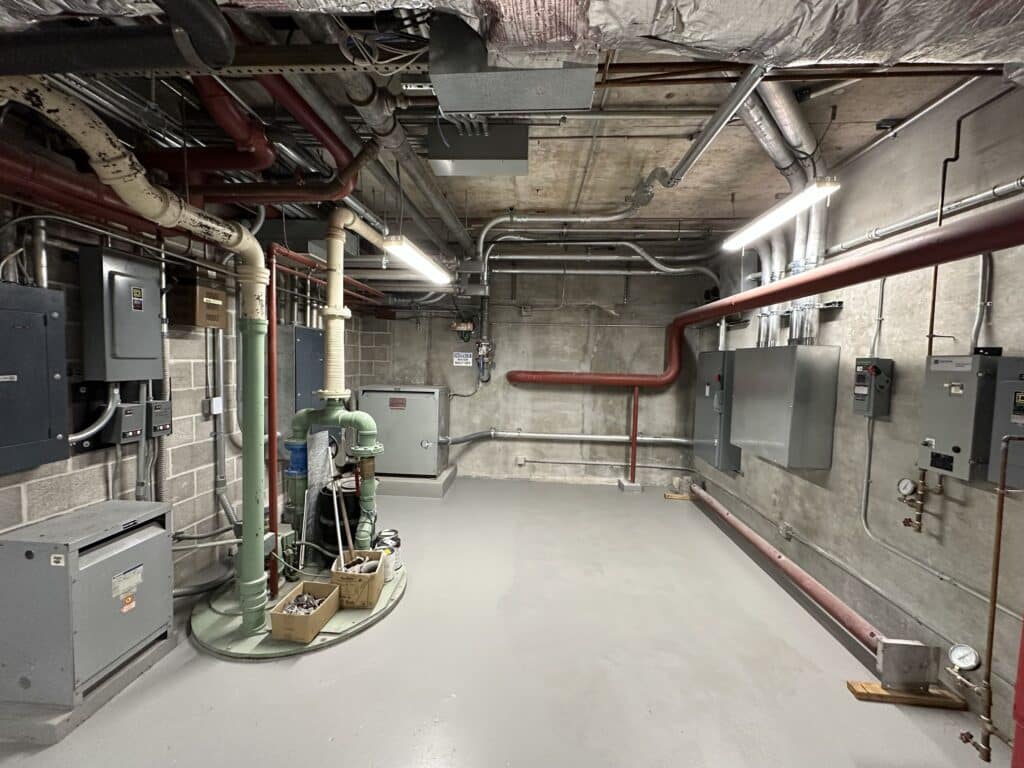
The design phase began with extensive on-site verification to confirm what the building actually contained versus what documentation suggested. Every panel, conduit run, and feeder path was evaluated to understand size, condition, and feasibility. The building was broken into manageable segments, allowing each floor and distribution point to be planned as its own controlled operation. Design also accounted for tenant coordination, municipal requirements, and inspection sequencing. This phase turned unknowns into known constraints before any physical work began.

“Good management is what keeps complex work from becoming chaos.”
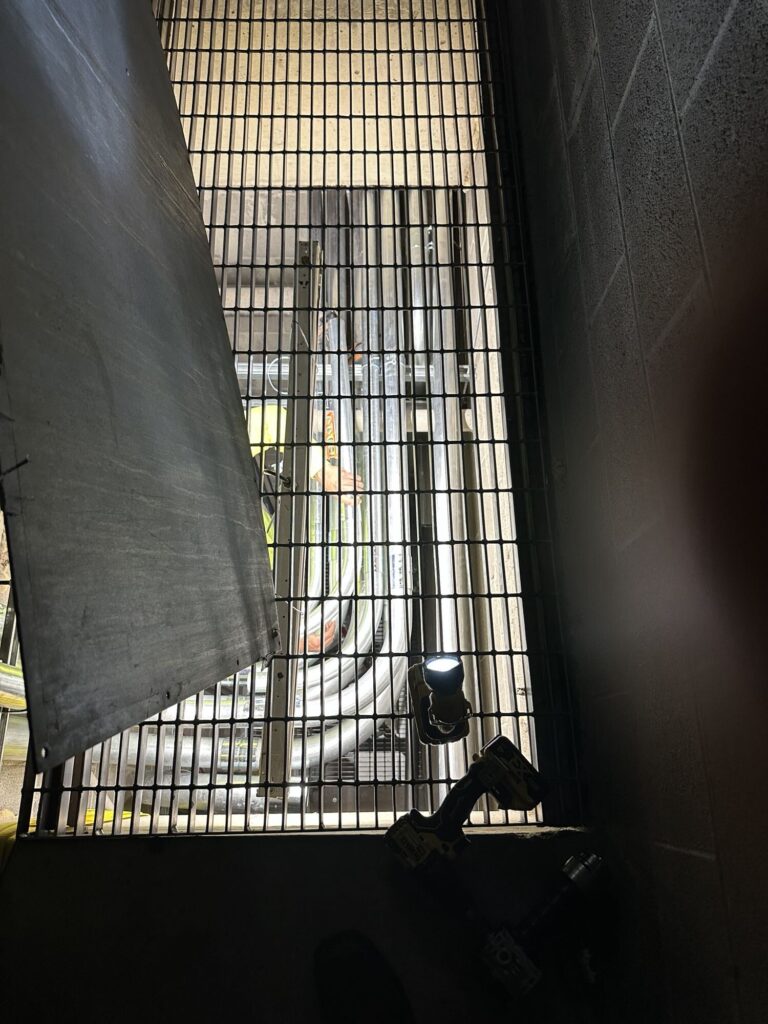
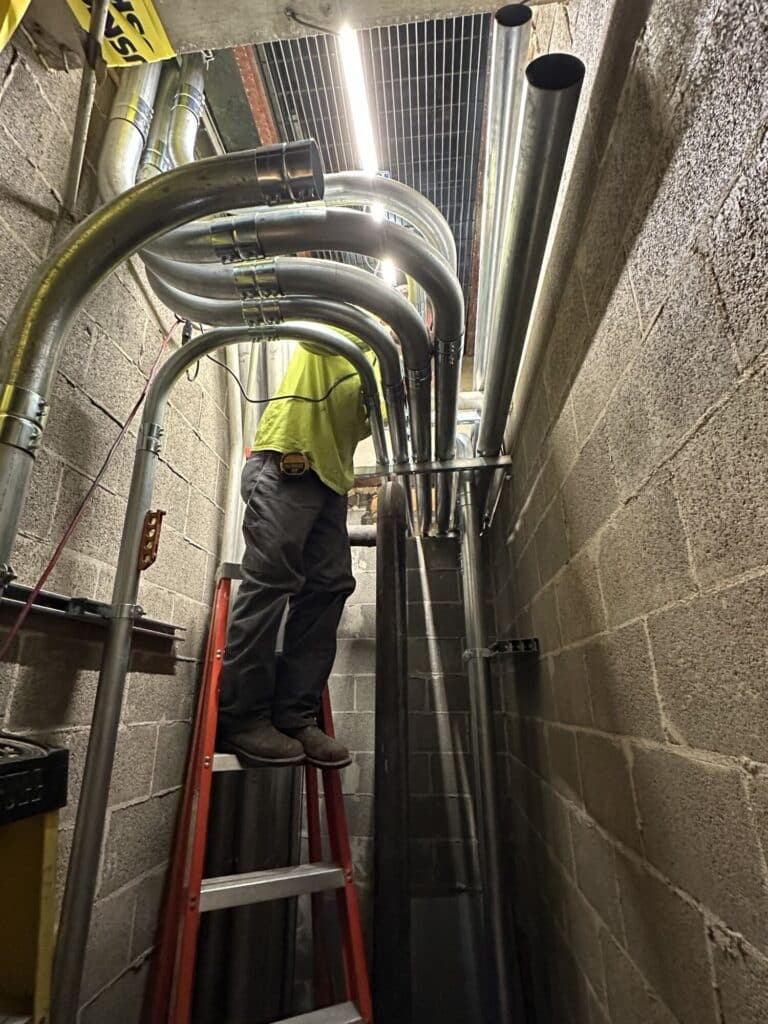
The management phase focused on sequencing complex work inside a fully occupied building while maintaining reliability and tenant confidence. This meant coordinating schedules across tenants, inspectors, utilities, and trade partners while adapting in real time to field conditions. Each floor and distribution point was treated as its own controlled operation, allowing progress without introducing unnecessary risk. The Electricity Concierge maintained constant communication to ensure work stayed aligned with expectations and approvals. Management was the connective tissue that turned planning into forward momentum without disruption.

“Clean work isn’t cosmetic. It’s a signal that the system is built to last.”
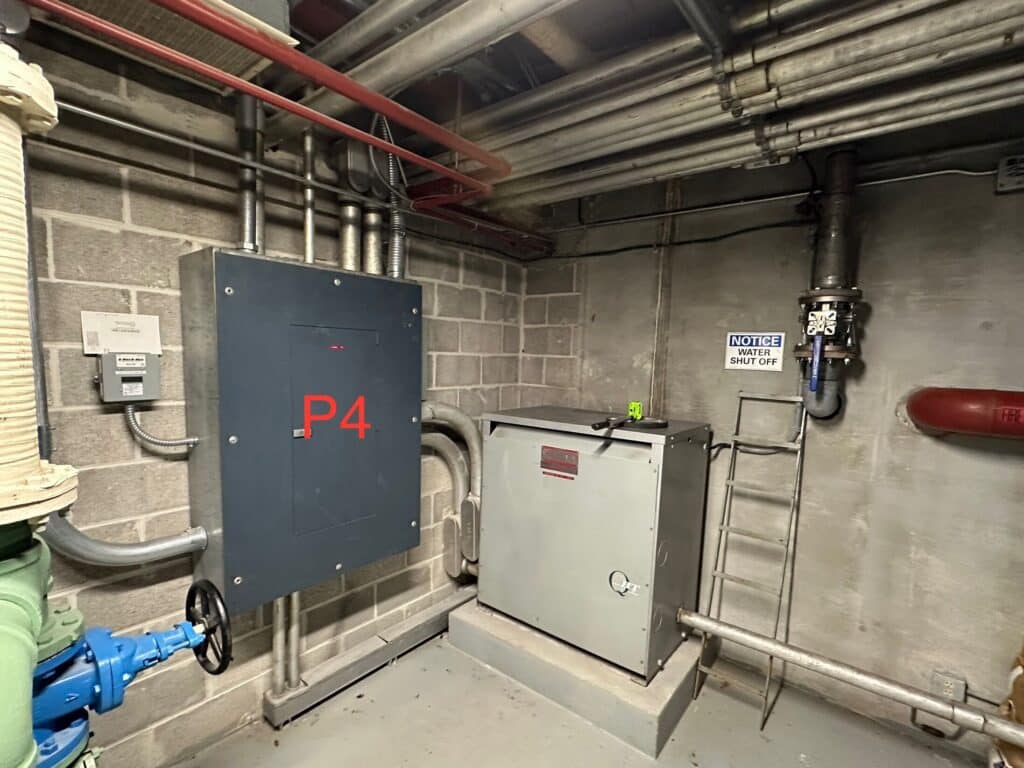
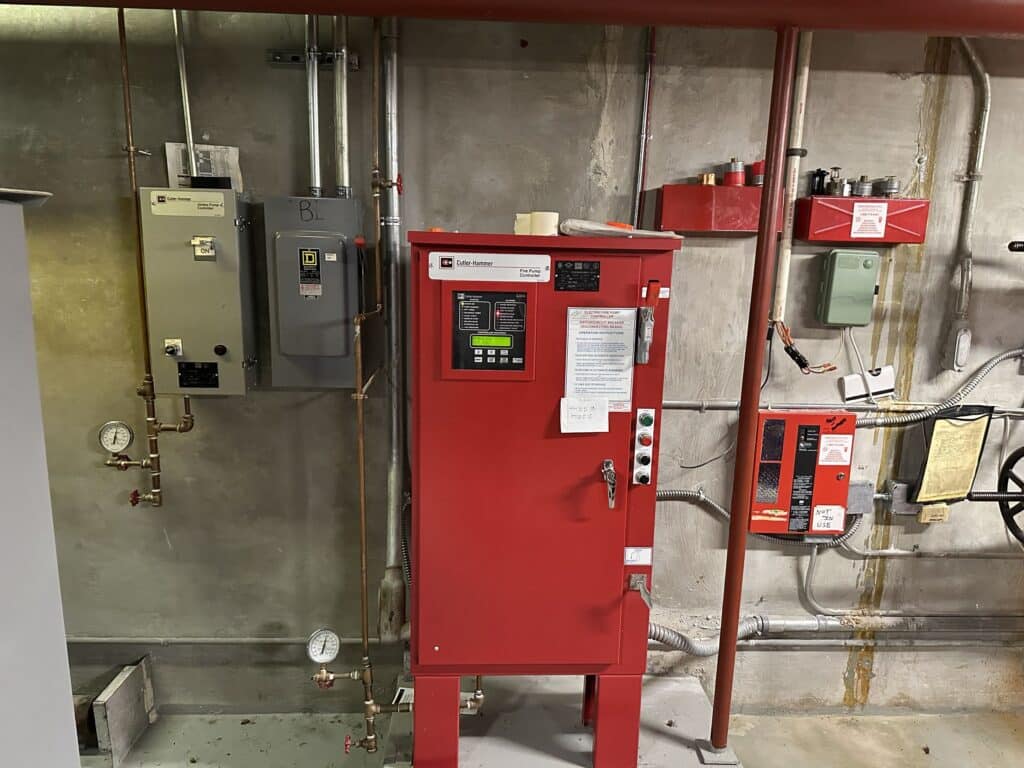
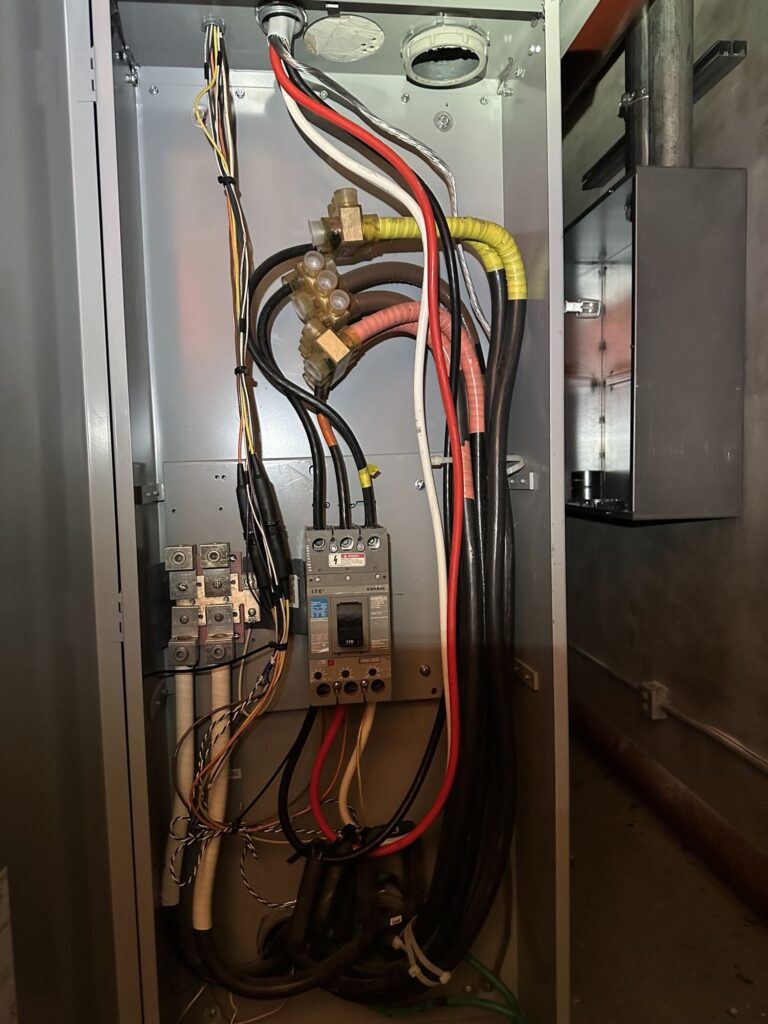
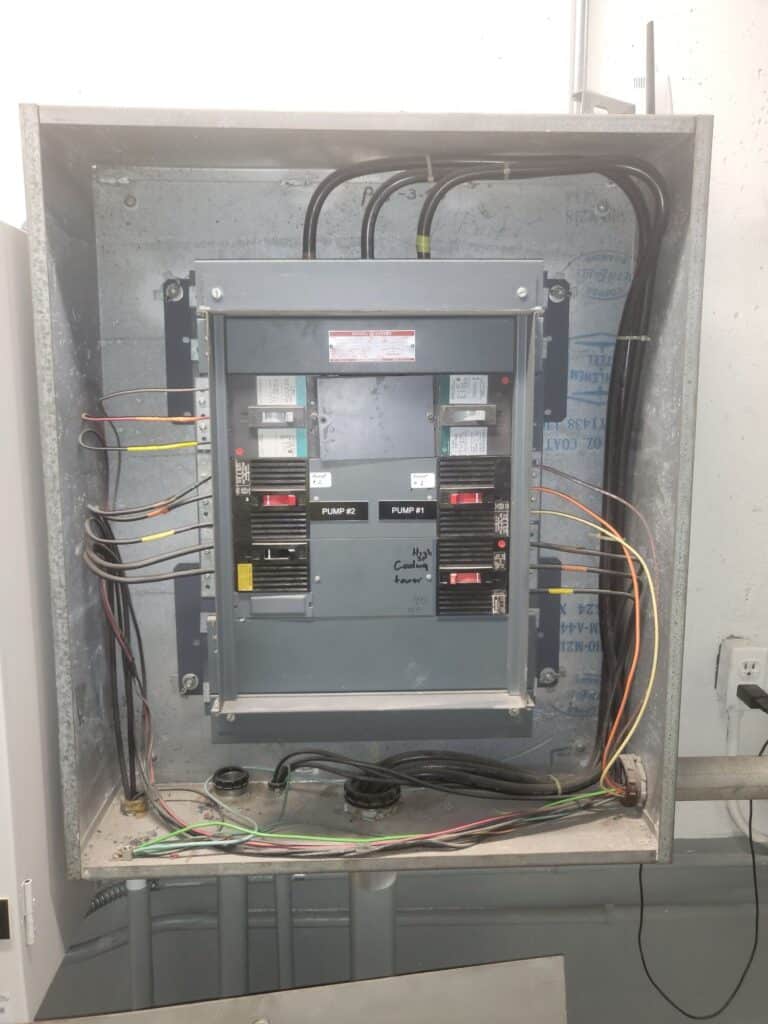
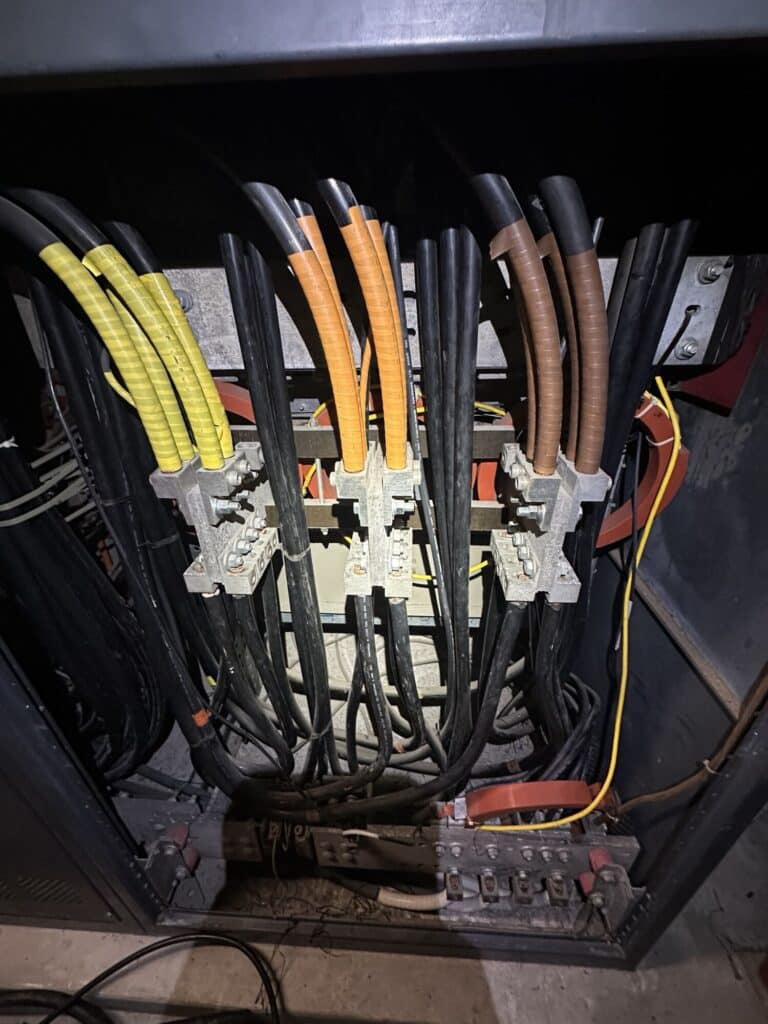
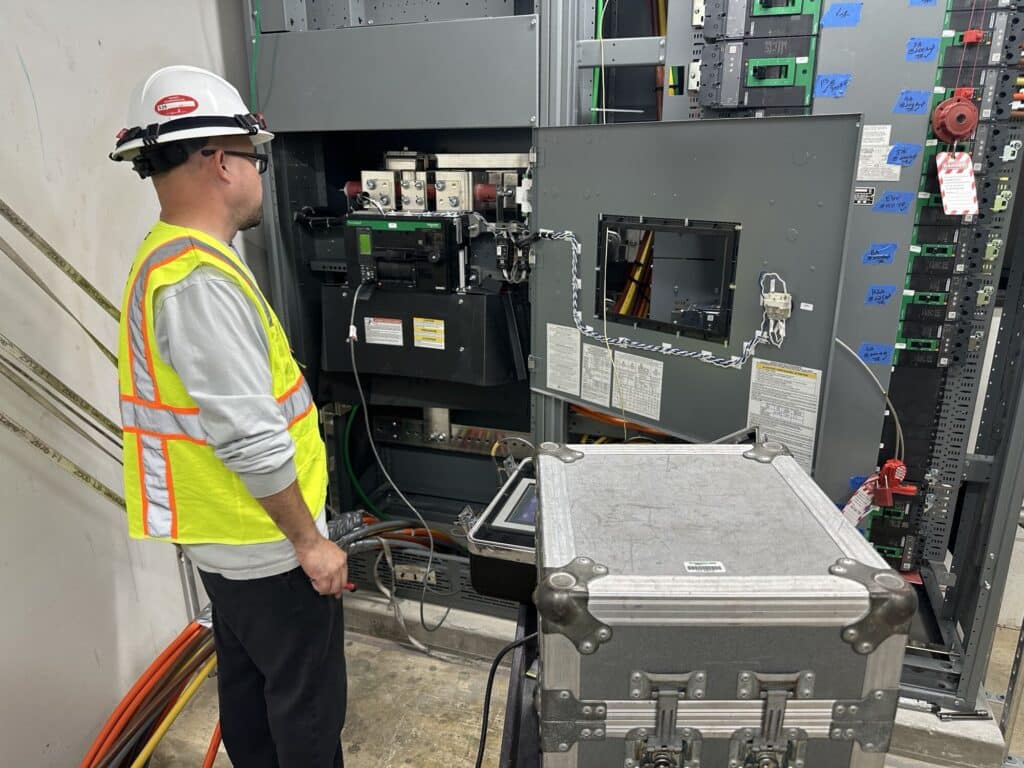
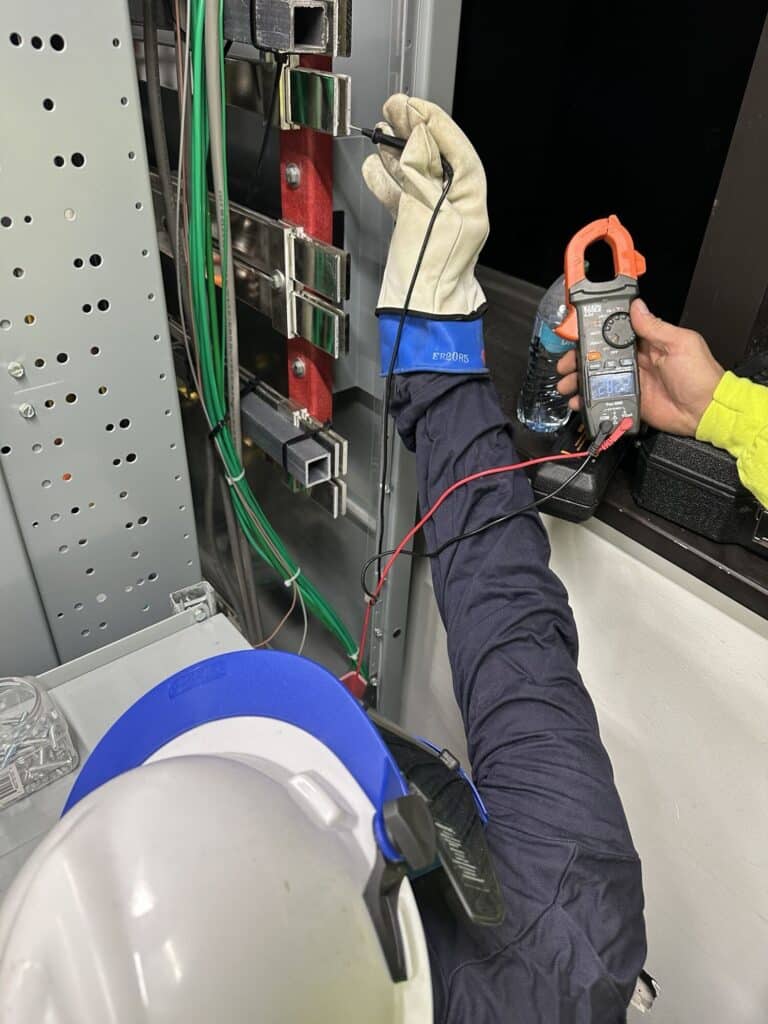
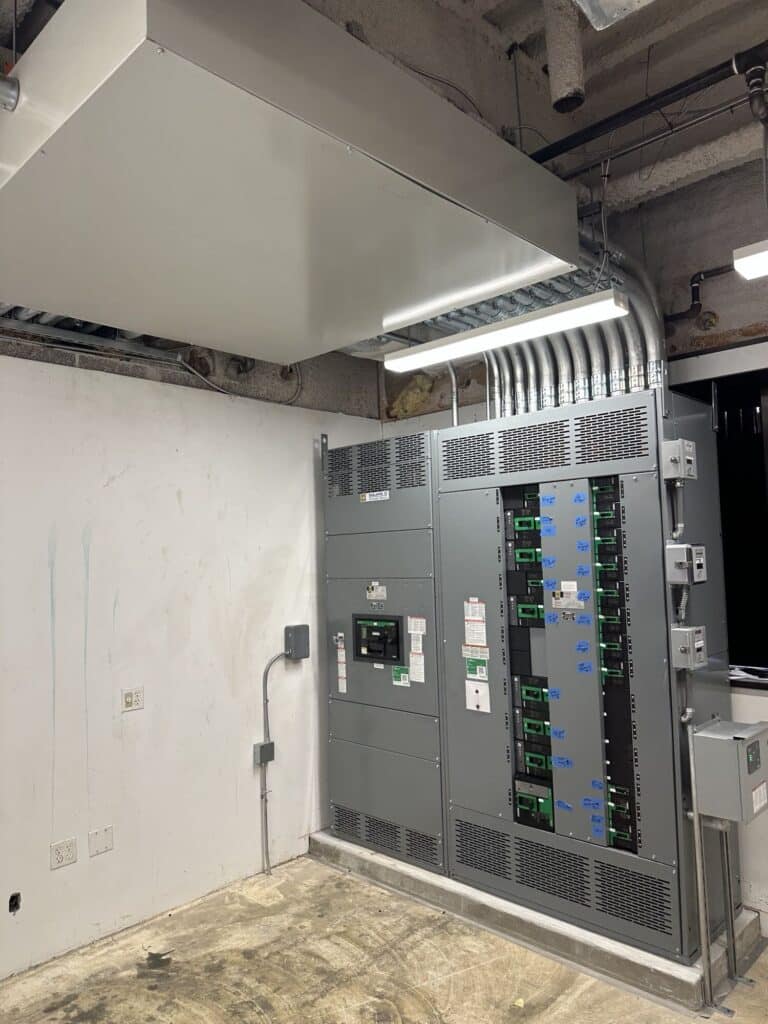
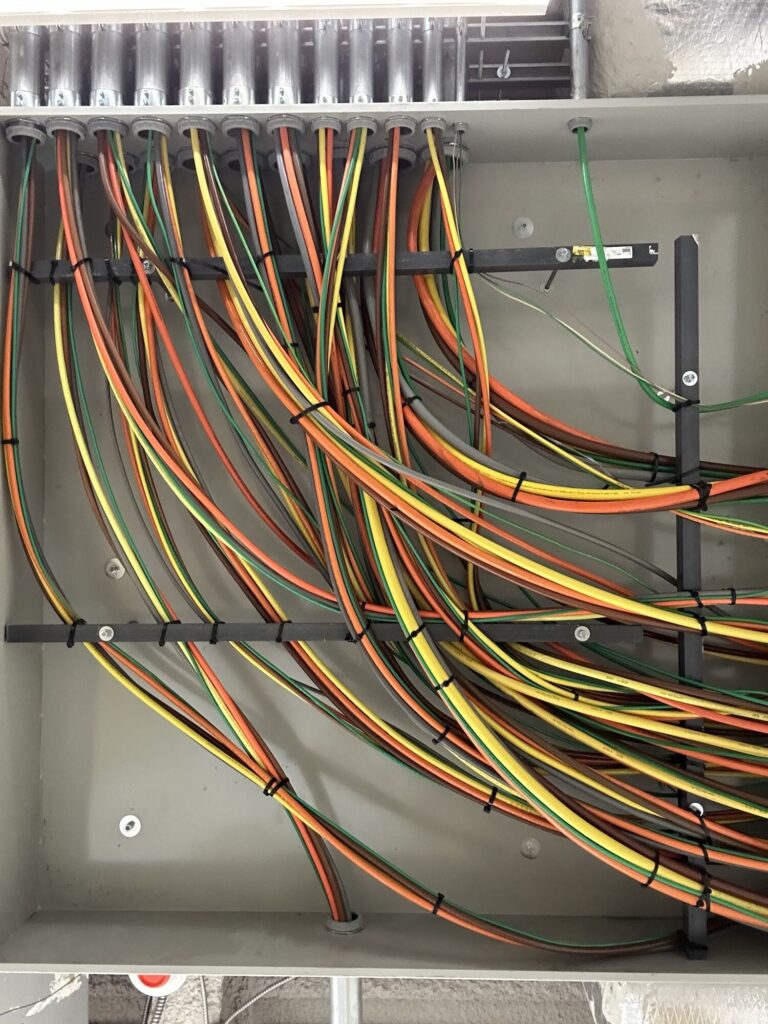
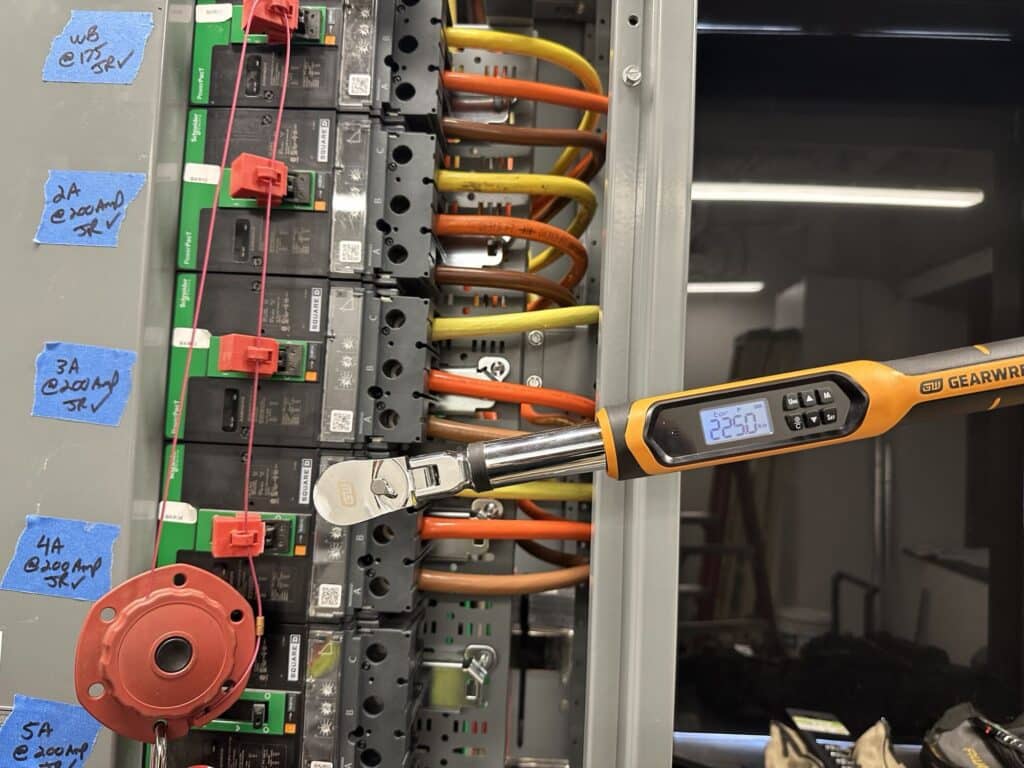
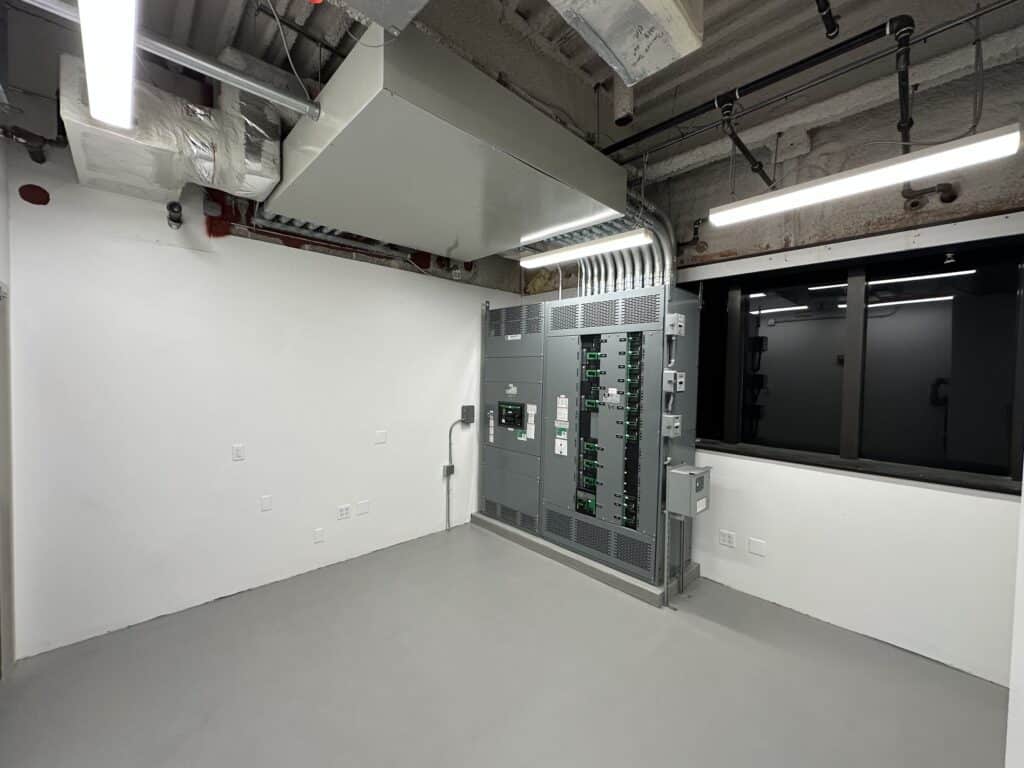
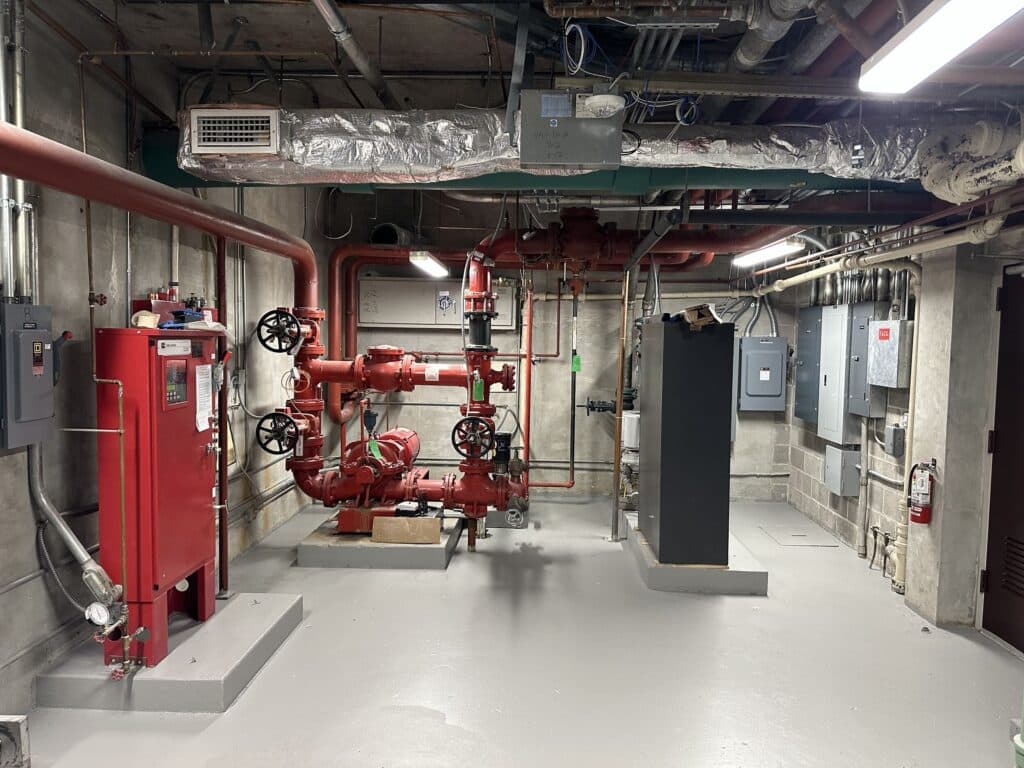
With infrastructure in place, the new electrical room was fully prepared to meet modern safety and code requirements. The new main distribution equipment was set, landed, and commissioned using a phased approach that maintained continuity of service. Every connection was labeled, torqued, tested, and verified before energization. Factory testing and system monitoring ensured the installation met performance expectations from day one. The final build delivered a clean, organized system that reflects both technical precision and long-term reliability.

“Reliability isn’t luck. It’s designed and built.”
The completed system delivers improved reliability, clearer insight into system health, and reduced exposure to unplanned outages. Modern monitoring allows potential issues to be identified before they become failures. The upgrade enhances the long-term value of the property while supporting the operational needs of its tenants. From a safety and compliance standpoint, the building is positioned for the future rather than reacting to the past. Most importantly, the project demonstrates what is possible when planning, execution, and accountability align.
- All
- Part 1 - The Situation
- Part 2 - Recon
- Part 3 - The Story
- Part 4 - The Exterior
- Part 5 - Finishing Touches
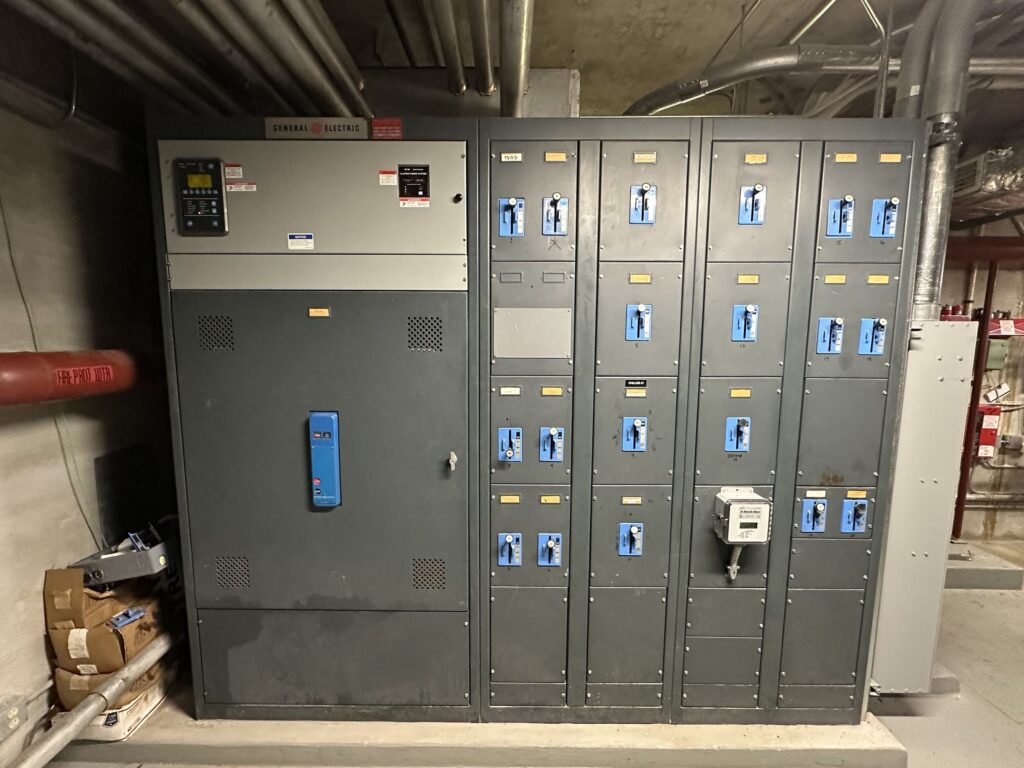
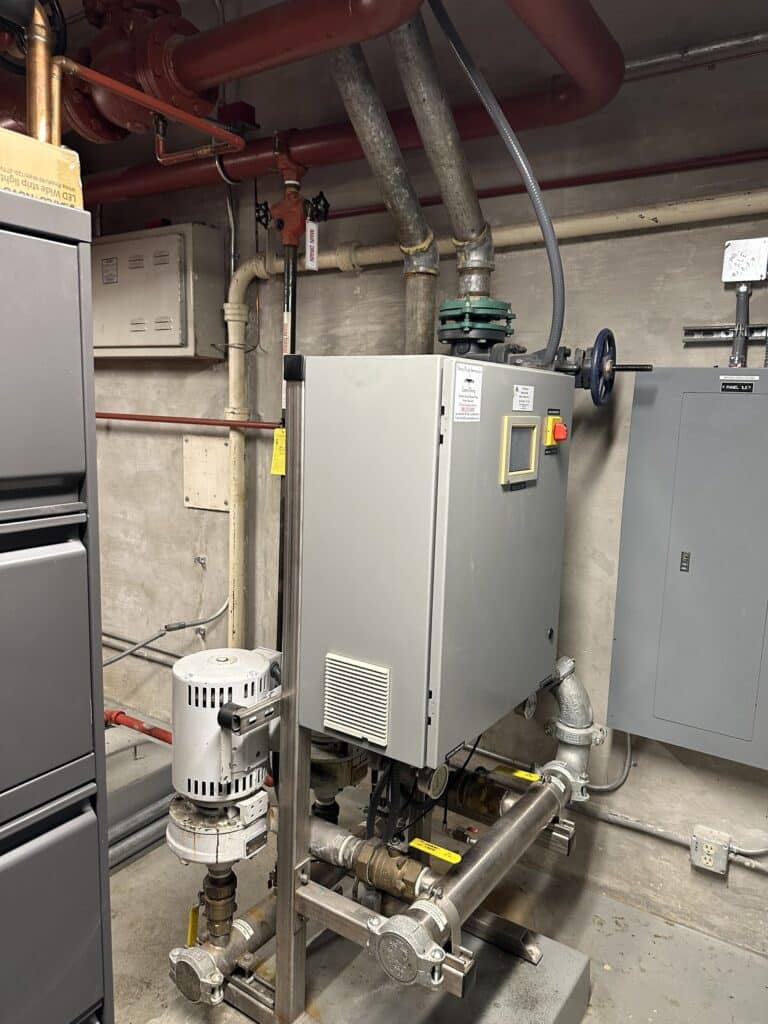
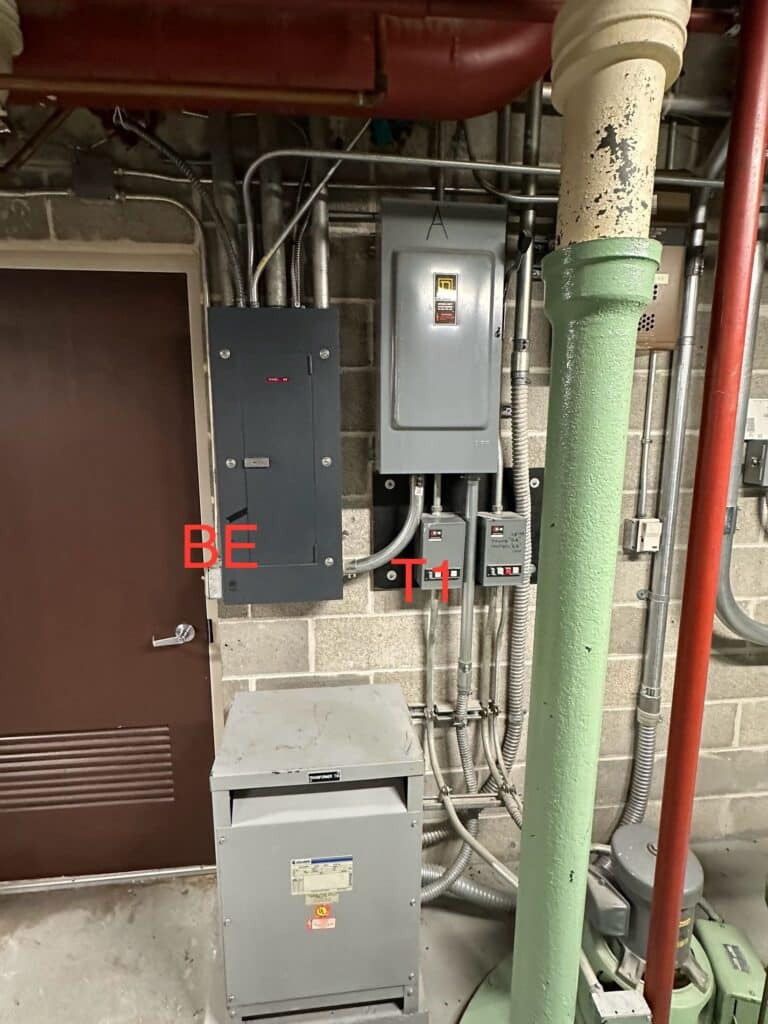
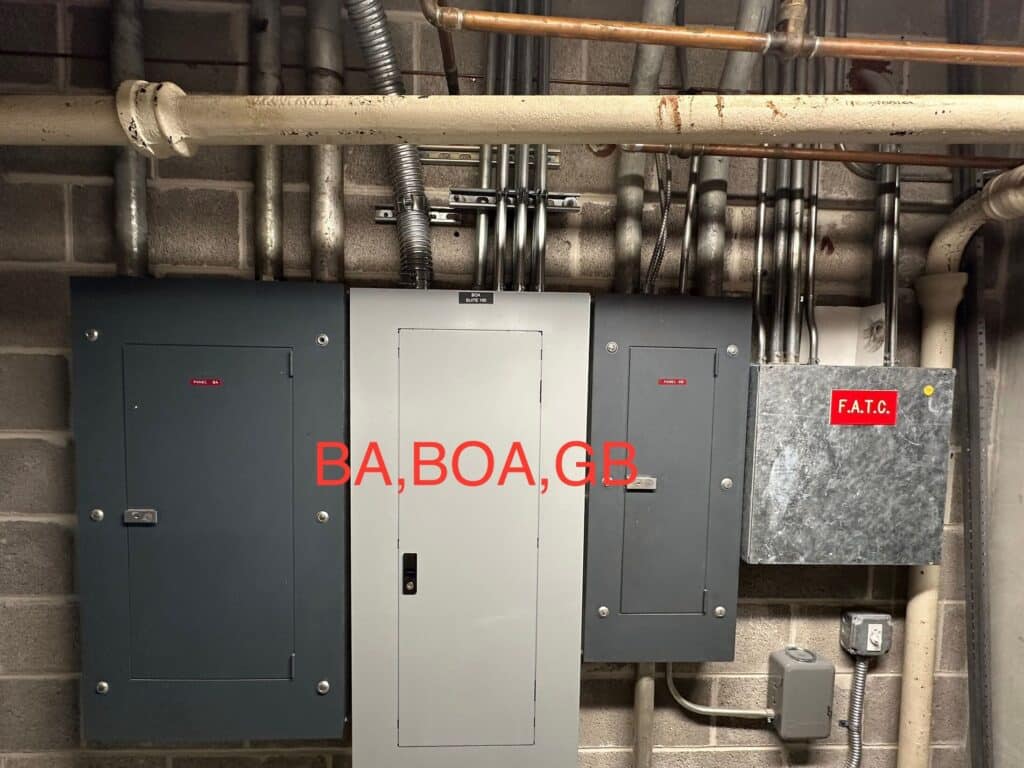
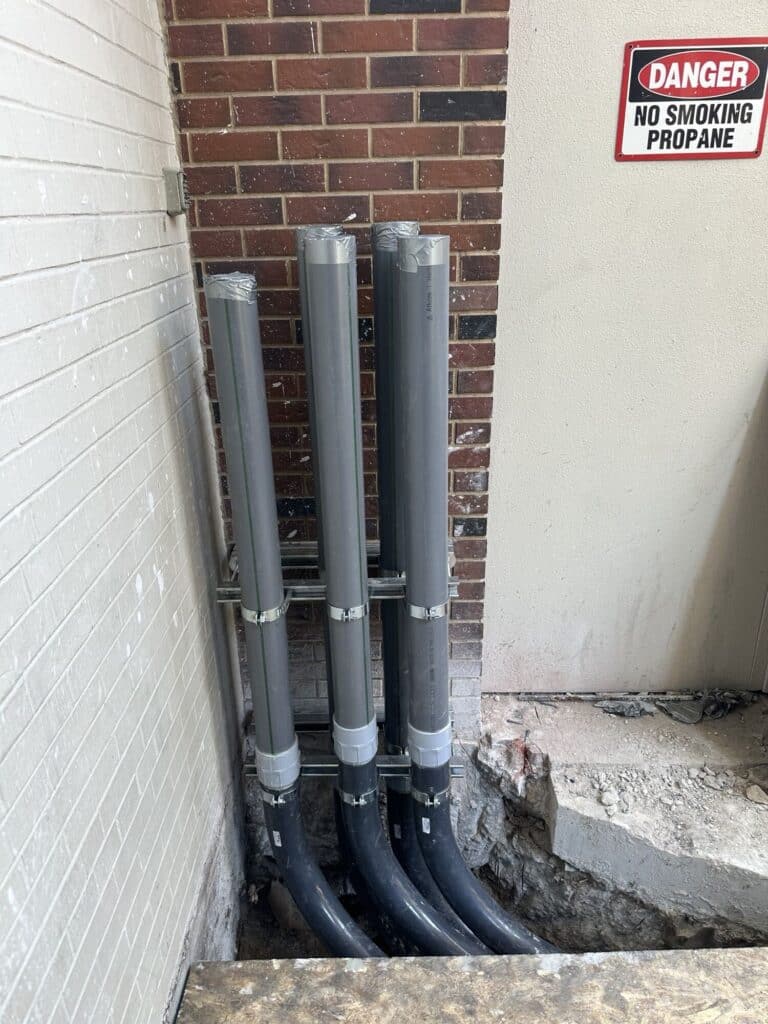
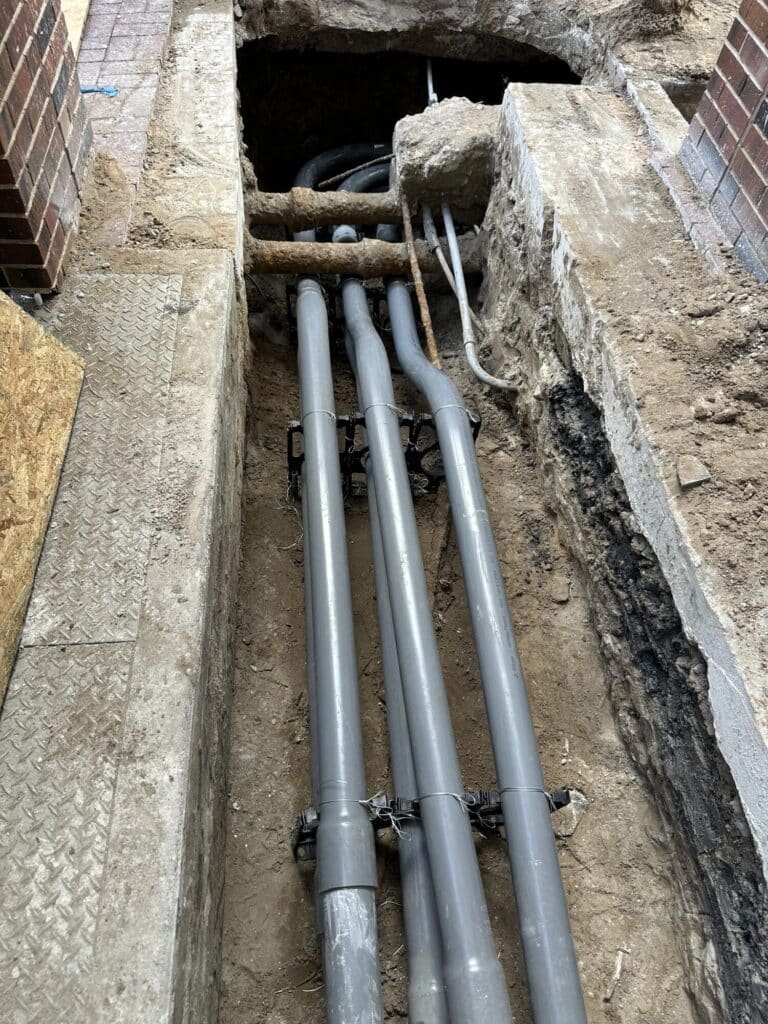
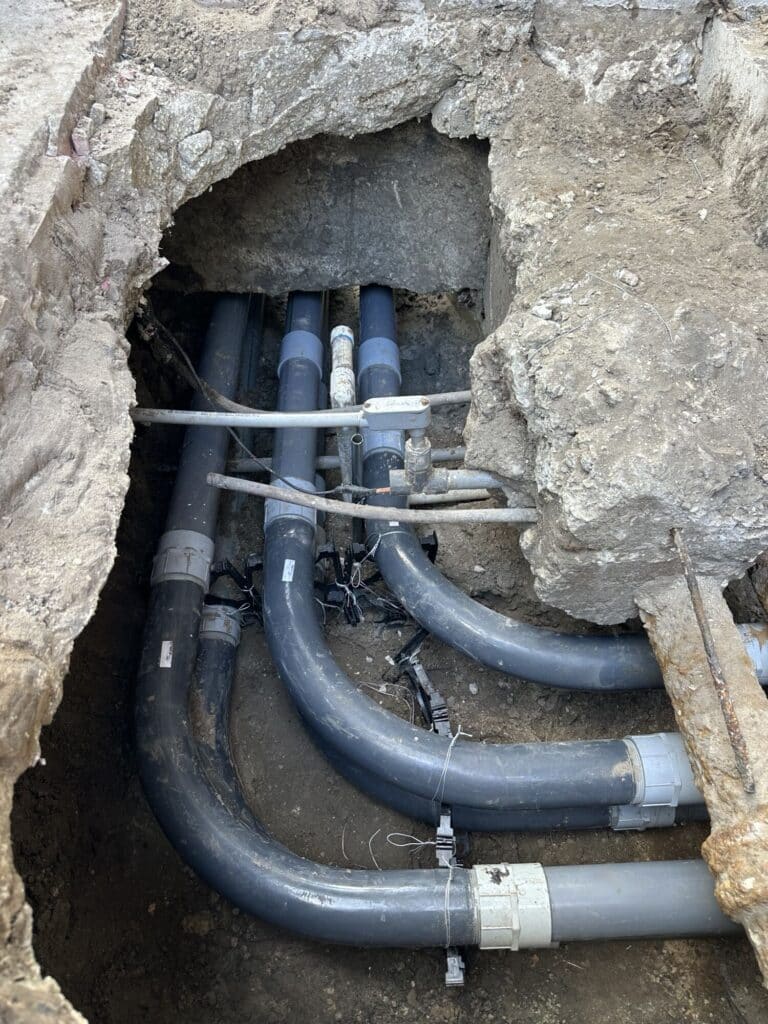
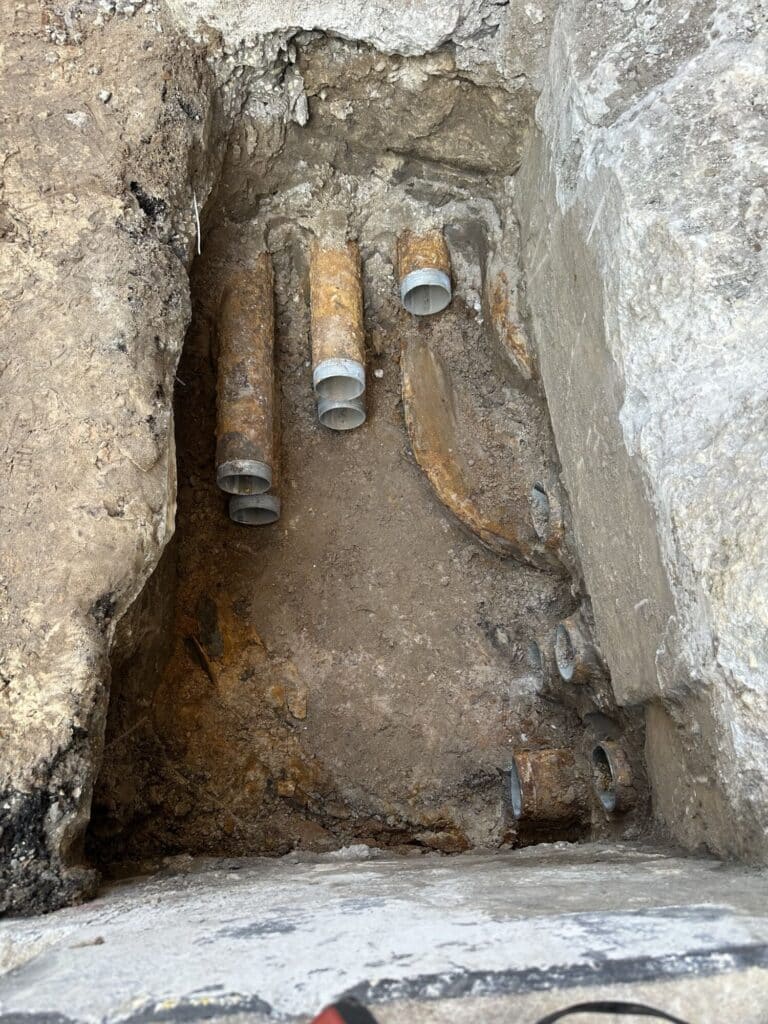
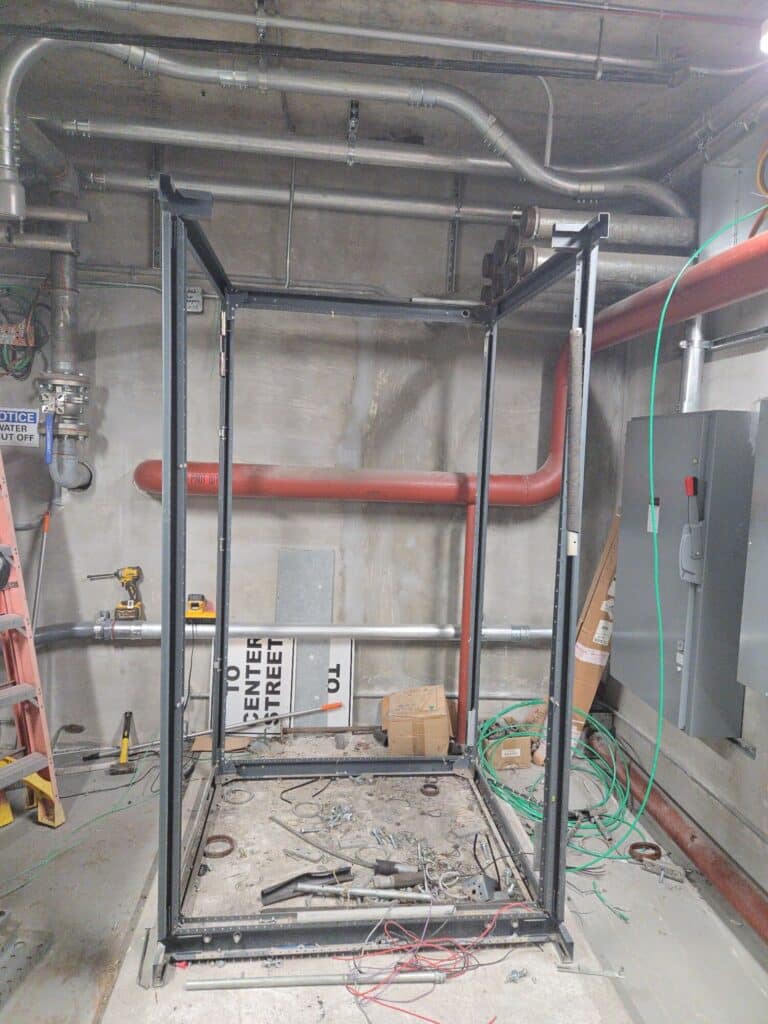
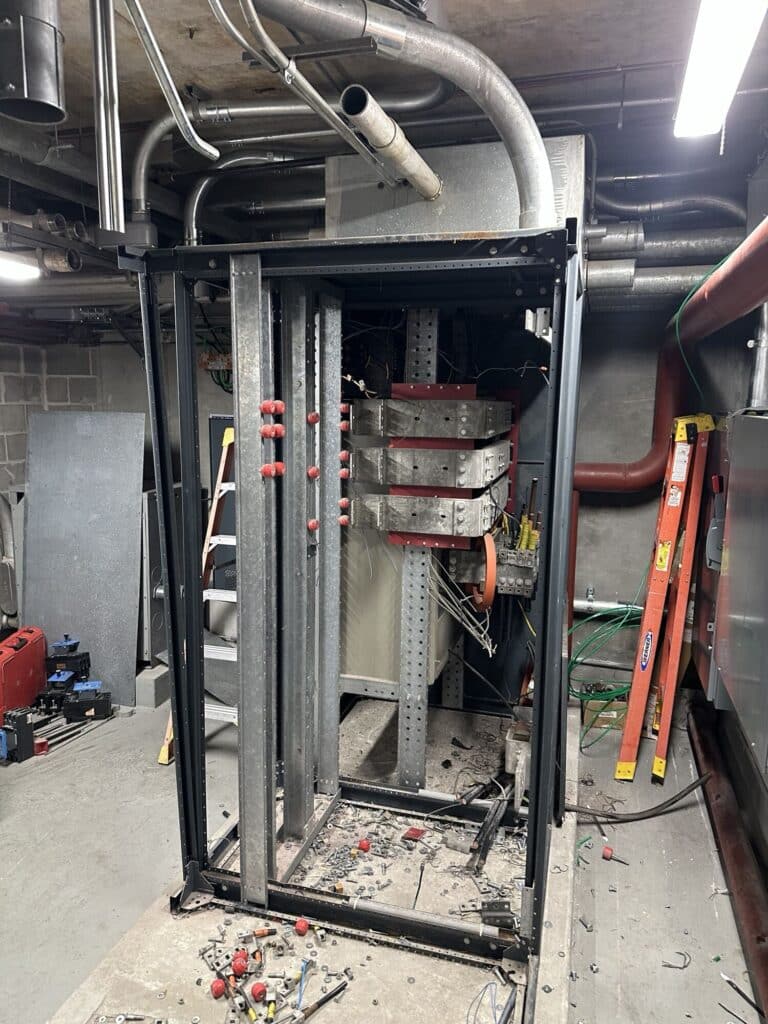
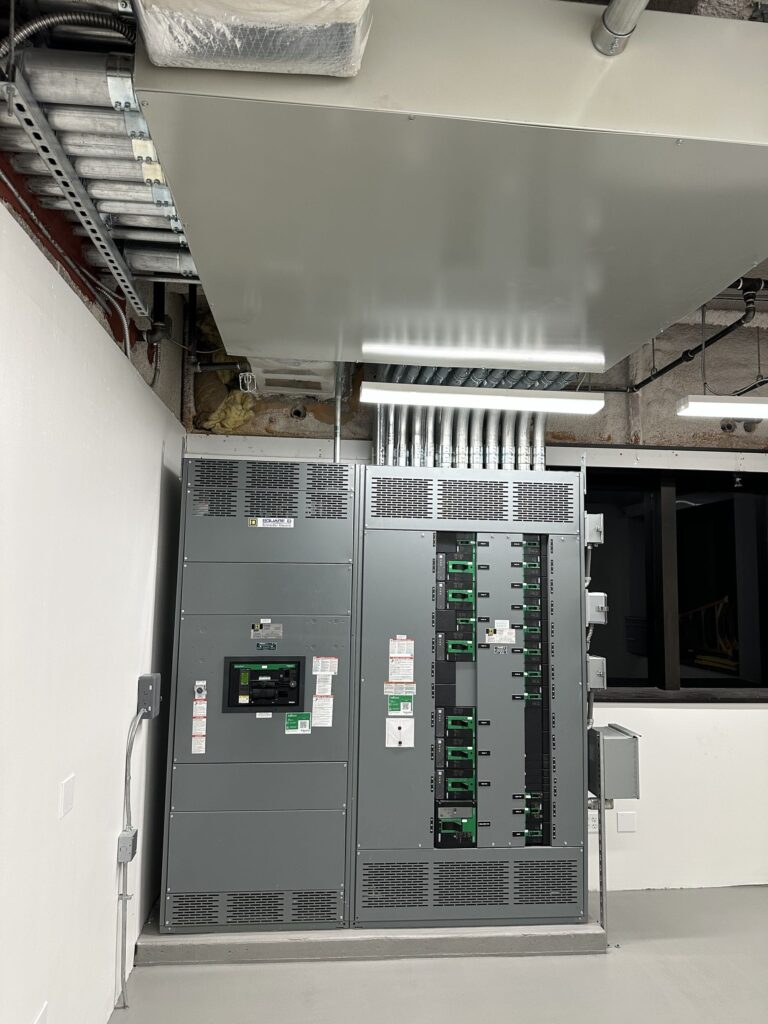
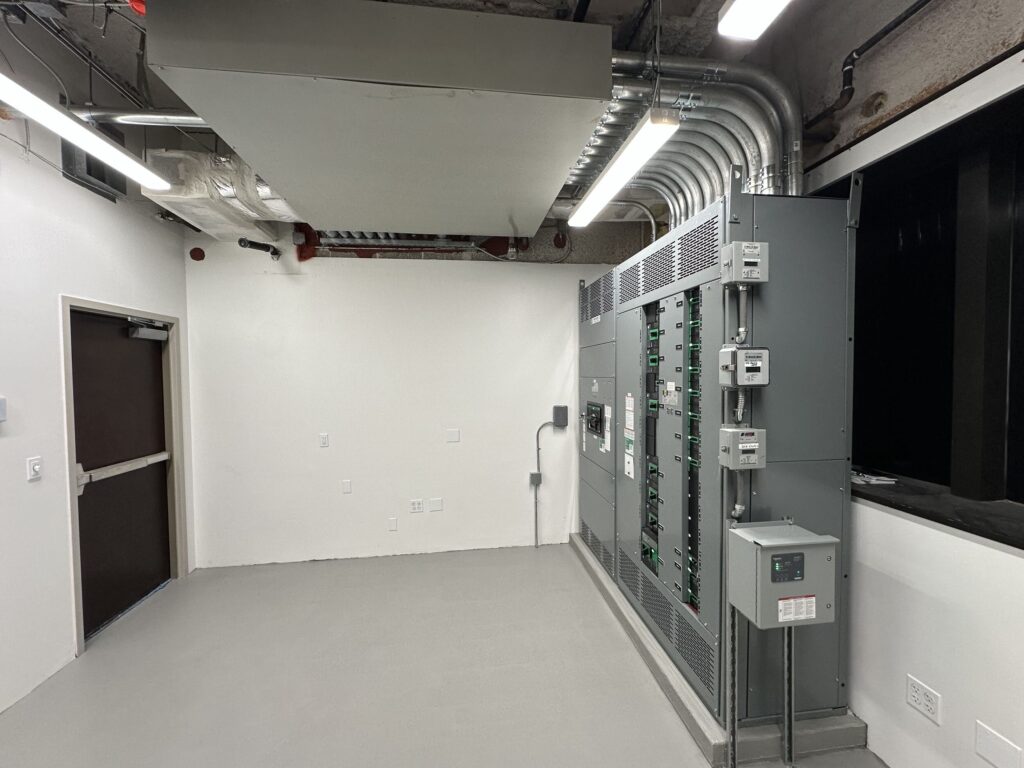
This project transformed a vulnerable electrical system into a stable, modern backbone capable of supporting a complex, high-demand building. What began as a response to failures became a comprehensive upgrade in safety, visibility, and performance. The Electricity Concierge navigated technical complexity, live operations, and regulatory constraints without compromising reliability. The result is an electrical system that functions quietly in the background, exactly as it should. The success of the project lies as much in the process as in the finished system.
“The best electrical work disappears once it’s done.”